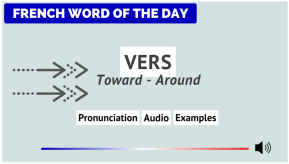
French expressions that remind me of Chinook Jargon (Part 1)
I do a good deal of research work on Father JMR Le Jeune’s notebooks.
I do a good deal of research work on Father JMR Le Jeune’s notebooks.
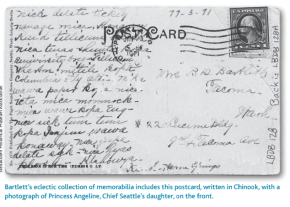
The Spring 2013 issue of the magazine Columbia: The Magazine of Northwest History had a neat article about someone we’ve gotten to know pretty well from the Chinook Jargon side of her life…
Looking for a research paper idea?
Naika wawa masi kopa Pir Lio!
What hidden history might there still be to uncover about Chinuk Wawa’s ípsət (‘hide; cover; secretly’)?
This I find to be a nifty question.
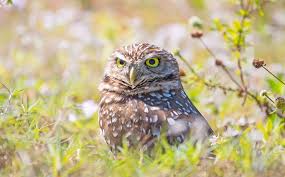
I’ve noted that the Grand Ronde Chinuk Wawa word for an ‘owl’, pʰupʰúp, traces back to not only a K’alapuyan-language word (‘northern pygmy owl’) but also to southwest Oregon’s Takelma (‘screech owl’).
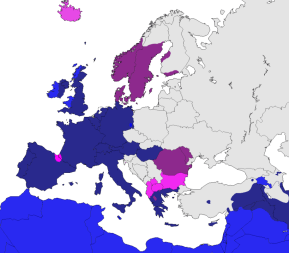
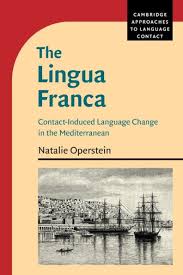
I’m writing about yet another pidgin language, the famous Lingua Franca, here…
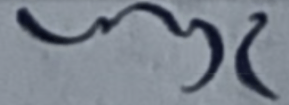
A letter in shorthand French from Victor Rohr dated September 30, 1898, extends our knowledge of how far to the East people were reading and writing Chinuk Pipa!
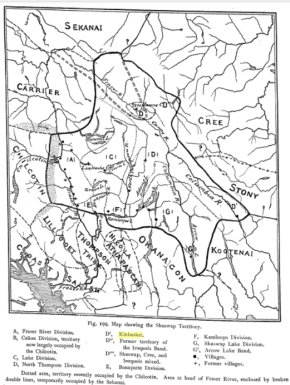
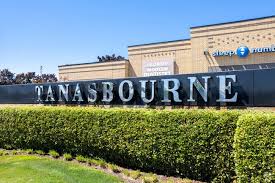
One of our newer Zoom group participants, by living there, reminded me of a place I last mentioned to the Chinook Jargon world about 25 years ago: