Blue ruin in Chinuk Wawa
Another Chinuk Wawa song! A new word! And shoddy anthropology! It’s easy to gin up a short article today, with material like this footnote from Hubert Howe Bancroft: The missionaries, the women of… Continue reading
Another Chinuk Wawa song! A new word! And shoddy anthropology! It’s easy to gin up a short article today, with material like this footnote from Hubert Howe Bancroft: The missionaries, the women of… Continue reading
(Here is Bostonais part 1.) Yesterday I showed you my idea that Chinuk Wawa boston “American; white person” originates, not straightforwardly in English, but instead in Canadian (Métis) French bostonais. I don’t take as extreme a… Continue reading
(Part 1.) How old is the famous “Boston men” versus “King George men” distinction in Chinuk Wawa? Countless history books refer to the verbal difference as a fundamental one on the early Pacific Northwest… Continue reading
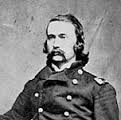
A postscript to my previous article on General Phil Sheridan, one of the Civil War’s Chinuk Wawa “code talkers”. A smoking gun, found in the book “A Catalogue of the Collection of Autographs… Continue reading
This photo of “chicken pulled chicken” from Lucky’s Smokehouse in Sechelt, BC, is courtesy of TripAdvisor 🙂 (Part 1 here.) (Part 2 here.) (Part 3 here.) Some łaʔamin (Sliammon), some friendly chickens,… Continue reading
Donʹt take them literally. Many of the concepts that they provide Jargon definitions for really werenʹt so conventionalized yet, a hundred years ago. So there could easily be more than one effective way… Continue reading
We interrupt this program of light travelogue (it’ll continue in my next post) for some substance. Three years and change ago, I brought forth on this website a new nameplate, conceived in efficiency,… Continue reading
(Part 1 here.) (Part 2 here.) Today: cannon shots are fired. Worthless white men think a Sechelt translation session is a card game, and want to join in. We learn that the first… Continue reading
Herewith part 2 of a substantial and detailed travel story. (Part 1 here.) Eyes peeled! You’re going to learn some new Jargon vocabulary. Lili iaka patl smok kanawi kah ilihi kopa British It… Continue reading
Here is a travel story that’s so detailed and awesome, I want to share a whole lot of it. Due to its length, I’ll do it in installments. So now, from Kamloops Wawa #146… Continue reading