1878: An addendum to “Exploring the Olympic Mountains”
A reasonably clear record of míməlust-íliʔi (‘dead.people-place’) for ‘graveyard; cemetery’ turns up in a half-translated form.
Hugh Lenox Scott (1853-1934) was seen as an authority on Plains Indian Sign Language…
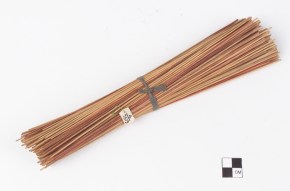
The Chinuk Wawa noun təmstiyu ‘arrowwood’ has stuck in my mind for quite a while, as have many others that “feel” Salish to me.
Another in my sporadic series of gems from the old CHINOOK listserv that deserve more attention:
LATE-FRONTIER OREGON PAPER SKIPS TRANSLATING. —
Numerals do get borrowed from language to language. Famously (among Pacific NW linguists) the word for ‘4’ is essentially the same across the Salish, Chimakuan, and Wakashan language families.
(s)lahál for ‘stick game’ is a Chinuk Wawa word…
Another in our occasional series on the use of Chinook Jargon in the courts of the Pacific Northwest.
Ripe for back-translation into Jargon, we have some material that reached President Abraham Lincoln’s eyes straight from the Pacific Northwest.
An Indigenous metaphor that’s partway preserved in Chinuk Wawa is the fish species name that’s literally ‘spotted/marked on the body’ in SW Washington Salish.