LINGUISTIC ARCHAEOLOGY: TREATY LANGUAGE (POINT NO POINT), PART 15
Wrapping things up:
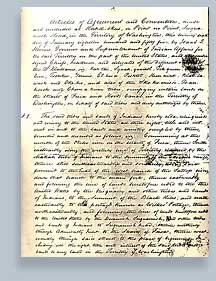
Wrapping things up:
Very low probability of this reflecting “shipboard English”, but the chance of a connection between Chinuk Wawa and other pidgin languages will entice some creolists…
Here’s a good one: banning Native immigration!
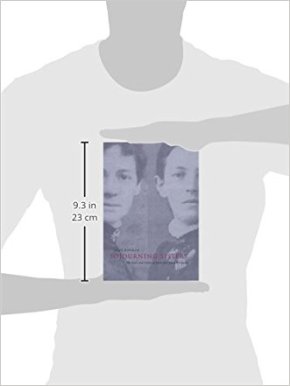
Thank goodness, there’s another fine book by BC’s master historian Jean Barman to share with you!
Short and sweet: no more slavery.
That feeling when you get hooked on this language is portrayed in a video clip: (I hope this video embeds & shows up all right!)https://getyarn.io/yarn-clip/embed/fe09ff12-e8d2-4fbc-941e-3ab444a48b67?autoplay=false
Education and health care…
A hot lead, or a cold “should”er?
Prohibition, 1855 racially-segregated style.
Now to Okanagan/Spokane country, from The Coast…