SO TWO CHIEFS AND A PRIEST TRAVEL TO EUROPE, PART 5
Previous installment here. Practice reading the Chinook Wawa below–I’ll add a translation when I post our next installment. Click to “Follow” my blog, and you won’t miss any of the 64 installments!
Kopit sitkom pulakli, mokst tintin pi sitkom, nsaika sit dawn
After midnight, at two-thirty, we sat down
pi nsaika nanich ayu aias mawntin, patl sno, patl ais wik
and we looked at lots of big mountains, full of snow, full of ice, not
saia kopa oihat. Taii Lui ayu nanich kopa ukuk mawntin,
far from the tracks. Chief Louis kept looking at those mountains,
aias tiki klatwa mamuk pu mawich kopa ukuk mawntin, pi wik
really wishing to go shoot animals in those mountains, but
kata: stim kar wik kata stop.
he couldn’t: the steam car couldn’t stop.
Drit ayu mawntin nsaika nanich, pi drit aias, pi drit tikop
There were really a lot of mountains we saw, and really big, and really white
kopa sno; pi kimta wiht ayu aias ston mawntin ilo mitlait
with snow: and behind, even more big rocky mountains without any
oihat pus klatwa sahali kopa klaska. Kah alta nsaika kuli
path to climb in them. Where we were now traveling,
stim kar oihat iaka <4300> fut sahali, pi ukuk ayu mawntin
the railway was 4,300 feet up, and those many mountains
nsaika nanich, klaska wiht <6000> fut ilip sahali kopa nsaika.
we were looking at were another 6,000 feet higher than us.
Klaska kro kah oihat iaka ilip sahali, pi alta nsaika klatwa
They got to where the way was at its highest, and now we were going
kopa kikuli. Kopa ukuk ilihi chako drit ayu sno kopa kol ilihi,
downhill. In that country a whole lot of snow falls in winter,
ilip ayu kopa <50> fut, klunas <80> fut, klunas <100> fut.
more than 50 feet, maybe 80 feet, maybe 100 feet.
Pus ukuk sno chako kikuli kopa tanas wam ilihi, iaka mamuk
When the snow melts in springtime, it
kakshit kanawi ikta: aiak iaka mamuk kaltash stim kar oihat.
destroys everything: it easily ruins the railroad tracks.
Kakwa stim kar man mamuk ayu aias lon haws, kakwa aias lon
So the railway men have built a lot of very long houses, they’re like very long
tipso haws, pi drit skukum, pi stim kar klatwa kikuli kopa ukuk
hay sheds, and very strong, and the steam car goes under these
haws klaska mamuk nim ‘sno shids’.
buildings that are called “snow sheds”.
<Roger’s Pass. + Bear & Stoney Creeks.>
Ukuk ilihi kah nsaika tlap ilip sahali, iaka nim Roshirs Pas: iht
This place where we got highest up is called Rogers Pass: a
man iaka nim Mishor Rogers, iaka chako ilip komtaks ukuk oihat iaka
man named Major Rogers was the first one to learn about this path that’s
tlus kopa stim kar, kakwa iaka patlach iaka nim kopa ukuk ilihi.
good for steam cars, so he gave his name to this place.
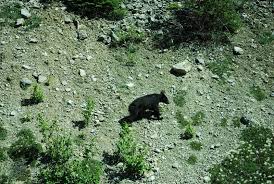
Kwinam mails kikuli klaska mamuk nim iht stishon Bir Krik:
Five miles down, they named a station Bear Creek:
ankati klaska tlap iht bir iawa drit kopa oihat, wik saia kopa
once, a bear was caught there right on the railway, near
haws. <x> Taii Lui wawa: = Ayu birs kopa ukuk ilihi, tlus
a house. Chief Louis said: “There are lots of bears in this country,
nsaika stop iakwa pi klatwa mamuk pu klaska. Pi wik kata iaka
let’s stop here and go shoot them.” But he couldn’t
stop, stim kar kwanisim aiak kuli, pi iaka mash tomtom iaka
stop, the steam car kept racing along, and he had forgotten his
moskit kopa Kamlups. <x> Tlun mails wiht nsaika nanich iht
gun at Kamloops. Three miles farther along, we saw a
brich <300> fut sahali, iaka nim Stoni Krik Brich.
bridge, 300 feet high, called Stony Creek Bridge.

A rough translation.
After midnight, 230 in the morning, we sat down and looked at so many big mountains. Full of snow, full even onto the rails. Chief Louis kept staring at the mountains, he really wanted to shoot a deer in the mountains. But he couldn’t, the train couldn’t stop. Truly a lot of mountains we saw, truly big mountains, and really white with snow. And later again many big Rocky mountains without any road that one could travel on them. Where we were on the railroad track was 4300 feet high, and these many mountains that we saw they were even 6000 feet higher than we were. They arrived where the railroad was the highest and then we started to go down. In this place there came a lot of winter snow more than 50 feet, Perhaps more than 80 feet, Perhaps 100 feet. If this snow came down in the spring, it would break everything. It would immediately ruin the railway track. Thus the railway man had made many long buildings like a long barn, and very strong, and the railcar went inside this building which were called snow sheds. The place where we were at the highest was called Rogers Pass. One man named Mr. Rogers, he came to know for certain that this path was the best for the steam car/Railroad, thus he gave his name to the place. 5 miles down they named one station Bearcreek. Many years ago they encountered a bear there right on the path, Not far from the building. Chief Louis said, there are a lot of bears in this country, it would be good for us to stop here and shoot some. But they weren’t able to stop, the train kept going so fast, and he had forgotten his gun in Kamloops. 3 miles further we saw one 300 foot high bridge. It’s name was Stony Creek Bridge.
LikeLike
You are getting a whole lot of practice at translating Chinook Wawa! Nice work here. As is usual, the most UNusual words, the ones we haven’t seen in Chinook dictionaries, are the hardest. Ironically, those words often are from 1890s English!
LikeLike
Pingback: So 2 chiefs & a priest travel to Europe, part 6 | Chinook Jargon:
Pingback: Alaskan Haida’s BC / Aboriginal Jargon traces | Chinook Jargon
Pingback: Hul’qumi’num’s Jargon traces | Chinook Jargon