For GRINs: Making sensible choices
Sometimes you have to figure out which thing you know about Chinuk Wawa is relevant at the moment…
Sometimes you have to figure out which thing you know about Chinuk Wawa is relevant at the moment…
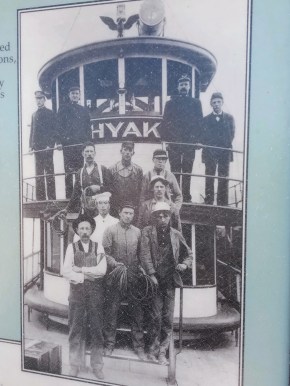
On board the Washington State ferry “Salish” this summer, I snapped this…
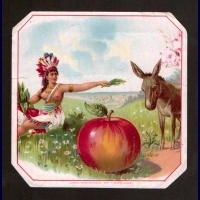
Given the early settlement dates of south-central Washington State’s apple region, and the late ones for the north end, maybe there’s an understandable reason for apples to have been strongly associated with Indians.… Continue reading
A party of Settler customers in a Northern California Chinese restaurant decide it’s funny to horse around with the difference between their own English and their host’s…
I was lucky enough to be invited to Whidbey Island, Washington for a summer vacation trip last month, and I took a few Chinuk Wawa-related tourist photos…
I Can’t Believe I’ve Never Said This Out Loud…
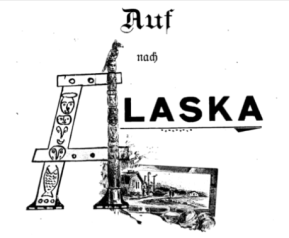
I’m not going to transcribe this German description of Chinook Jargon (any of my readers want to do that)…but…
Do we have to wait for the Covid-19 pandemic to abate, to find out if there’s Chinuk Wawa in the Stefánsson Collection?
Seems to me it would’ve been simpler to translate this as sil-haws aias-son…
One early frontier town in California combined 2 pidgin languages in its name…