St Nazarius & St Celsus (part 3)
The deeper we delve into our Chinuk Wawa mystery manuscript, the more comes to light…

The deeper we delve into our Chinuk Wawa mystery manuscript, the more comes to light…
More and more clues bring us closer and closer to a solution…
As promised yesterday, let’s begin a live demonstration of Chinuk Wawa research!
Starting tomorrow, something new:
A grammatically & socially sharp quote, sadly unattributed it seems, noted in “Indians of the Pacific Northwest: A History” by Robert H. Ruby and John A. Brown (Norman, OK: University of Oklahoma Press,… Continue reading
Why did only “half-breeds” use the Chinuk Wawa word for “ladder”?
A Yakama lady’s Chinuk Wawa is quoted, and for those with ears to hear, it teaches about Chinuk Wawa dialects.
One of the earlier popular-market features devoted to Chinuk Wawa is an unattributed piece…
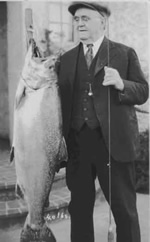
My readers succeeded when I challenged them. Now savor the rewards we’ve reeled in.
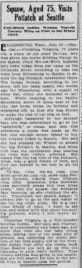
A mighty interesting couple of newspaper clippings: