And more inflected interjections in Central Chinuk Wawa
As unusual as it is to inflect an interjection, I believe Chinuk Wawa does so, and I believe in these ones from Louis-Napoléon St Onge’s dictionary:
As unusual as it is to inflect an interjection, I believe Chinuk Wawa does so, and I believe in these ones from Louis-Napoléon St Onge’s dictionary:
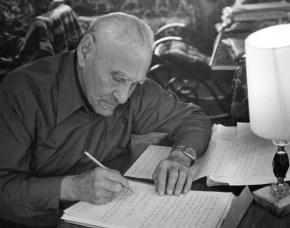
I do a good deal of research work on Father JMR Le Jeune’s notebooks.
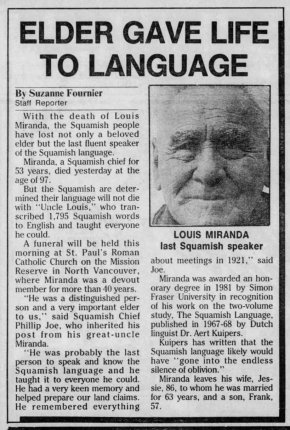
; More from the Youtube video “Louis Miranda: Squamish elder teaches Chinook Jargon“.
Naika wawa masi kopa Paisley pi Mokwst Alex, for reminding me of a great book by a great anthropological linguist!
Here’s a low-down difference between the dialects of Chinuk Wawa that can be very prominent sometimes…
(I’m not talking about the Rogue Rivers 😊) Why, we were just talking about this Chinook Jargon trick last night!
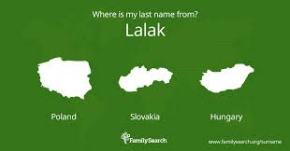
POINT #1: The earlier form of the word for “tongue” and “language” appears to have been the Central Dialect’s lalak.
Getting around to writing this long-planned post the day after a “Joe Peter” group transcription session where the point came up…
Just making sure I park this observation somewhere in public.
From the Youtube video “Louis Miranda: Squamish elder teaches Chinook Jargon“.