Body parts in Northern Chinook Jargon (versus other dialects)
The big pattern that I like to teach to folks is that —
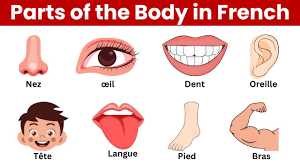
Image credit: Youtube
The Southern Dialect has more Métis/Canadian French and Lower Chinookan (and Lower Chehalis Salish) body-part words. That’s because of the early history of Chinuk Wawa, when as a family (creole) language, stuff you’d talk about at home involved a good deal of papa & mama‘s languages.
The Northern Dialect has more English words for body parts, and these get more detailed than the inventory in the south. This is because, later in its history, as an out-of-the-home (pidgin) language, CW took in words heard in public, where English predominated heavily. (And folks were unfamiliar with French & Chinookan; I think there’s a real “reinforcing” effect from whatever additional languages exist in the environment of a pidgin.)
Thus, for a quick example:
- ‘throat’:
- N: throt
- S: no generally accepted word; you might use the ‘neck’ word
- ‘neck’:
- N: nek
- S: likú from French
- ‘breast(s)’:
- N: tit
- S: tutúsh from Métis French (which got it from Ojibwe)
- ‘leg(s)’:
- N: leg
- S: tʰiyáʔwit from Chinookan
- ‘arm’:
- N: arm
- S: líma, which also means ‘hand’
- ‘fingernails’:
- N: nils
- S: no commonly accepted word; you’d use the word for ‘bone/horn’
