Is mamuk-kumtuks (munk-kə́mtəks) a calque on Métis/Canadian French?
Gee, another item in the “I Thought I Already Blogged That” Department!
Among my favourite stuff to research in Chinook Jargon are calques.
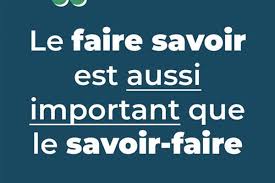
Image credit: Solianz
These are some of the hardest types of borrowings to spot in any language, because a calque is when language A takes the way something was phrased in Language B — but then uses Language A’s own words to express it.
Examples of calques in modern English include “brainwashing” and “long time no see”, both from the group of languages that we call Chinese. (“Long time no see”, I figure, came to us via Chinese Pidgin English.)
All of this is to ask, why couldn’t Chinuk Wawa’s mamuk-kumtuks (munk-kə́mtəks) be a calque from French faire savoir? Both are literally ‘make-know’, and both are used for ‘inform, let someone know’ and so on.
Considering the enormous role of French-Canadians in forming the Jargon and its grammar, this is a compelling question.
