A crumb more of Lower Chehalis Salish etymology for CW ‘beg’
I want to give credit to some elders.
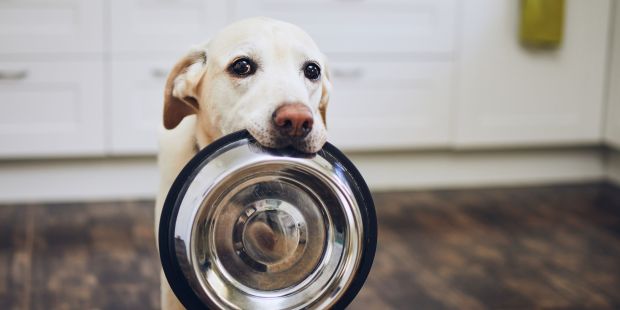
Image credit: breedingbusiness.com
According to the elders of the Grand Ronde community, the Chinuk Wawa word áləksh means to ‘to beg for’.
In the 2012 Grand Ronde Tribes dictionary, a totally reasonable comparison is made with a root ʔale- in Tillamook Salish meaning ‘pity, poor’.
After that was published, the linguistic anthropologist, Dr. Henry Zenk, mentioned another possible etymology for this to me in an email of July 30, 2017.
Henry noted that the Lower Chehalis Salish-speaking elder Irene Shale of Hoquiam, Washington told the linguist M. Dale Kinkade in 1978 that in her language, ʔál̓əqš means ‘beg for something to eat; bumming for food, stand watching someone eat + wanting food’.
The resemblances in sound and meaning are convincing to me, too. I mention this Lower Chehalis word because it’s an etymology that didn’t make it into the 2012 Grand Ronde Tribes dictionary of Chinuk Wawa.
I have a couple of tiny ideas about the etymology of ʔál̓əqš within Lower Chehalis. That final /qš/ would seem to contain either:
- a version of the “lexical suffix” -qs ‘nose; tip’.
(There’s some variation in that language between /s/ and /š/, especially at the ends of words.) - or, -q ‘mouth; language’ plus the “Applicative” suffix -š which denotes an action done for someone else’s benefit, or to their detriment.
I don’t yet have any really clear ideas about the root-form ʔál̓ that’s implied by these comments. The only similar form I know in Lower Chehalis and its sisters shows up in words for ‘father’ and ‘chief’.
Maybe those are related to the Tillamook form noted above?
This could mean an original Salish expression was an Indigenous metaphor along the lines of ‘poor-mouthing’ — which happens to be a Pacific NW English verb that I remember my folks using disapprovingly.
Here’s hoping the proverbial “further research” can take us farther in understanding the Indigenous metaphor that I suspect is behind Chinuk Wawa’s aləksh!
By the way
The 2012 Grand Ronde dictionary also proposes a tentative etymology for the Jargon word in Tillamook Salish ʔaləqʷ- ‘loosen’. It also notes Upper Chehalis Salish ʔó•x̣ʷš-alač̓a ‘beggar’.
I don’t think we need to follow up on either of those leads. Both seem, to me as a linguist specializing in Salish languages, improbable:
- the ‘loosen’ form due to its meaning,
- and the ‘beggar’ form because the part that resembles áləksh is a suffix which would never be said as a word on its own.
