More humor in Chinuk Wawa: Lost dog?
To be fair, this one’s an example of oldtime humor that might not be so great for everyone nowadays.
See how it holds up for you — I’m a dog lover myself.
Stay tuned “below the fold” for useful information about a related theme in Chinook Jargon!
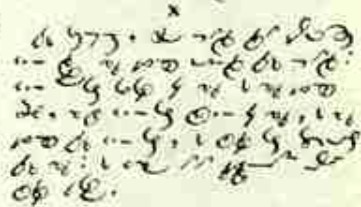
Kopa Pintiktin, pus tilikom kuli prosishon,
‘At Penticton (BC), while the people were conducting a procession,’iht kamuks iaka klatwa sitkom kopa tilikom.
‘this one dog went into the middle of the people.’Iht man mamuk kik iaka pi iaka klatwa
‘One man kicked him and he went’inatai, iawa iht man wiht kik iaka, pi iaka
‘to one side, then another man kicked him again, and he’klatwa kopa iht man, pi ukuk man mash ston
‘went towards another man, and that man threw a rock’kopa iaka: pi aias lili kakwa drit tlost
‘at him: so for quite some time he seemed pretty lost,’ukuk kamuks.
‘that dog.’<X>
— from Kamloops Wawa #201, page 140
One useful language lesson from this is, you can express ‘to be dizzy / disoriented’ as kakwa drit lost, literally saying ‘like really lost’. I reckon a southern-dialect equivalent would be kakwa dret t’sulu.
Bonus fact:
On the same newspaper page, just before the “lost dog” piece, we have a topically related non-humor item (it’s about a human, FYI) —
Pus nsaika kilapai [NULL] Kamlups, Inas Alfos
‘While we were coming back to Kamloops, Ignace Alphonse’iaka kilapai kopa Kamlups iaka tiki klatwa kopa
‘who was returning to Kamloops wanted to go to’Indirbi pi kopa Pintiktin kanamokst nsaika, pi
‘Enderby and to Penticton along with us, and’iaka aiak kuli kopa oihat, pi iaka kyutan chako
‘he was hurrying along the road, then his horse went’saliks, pi iaka cikcik iaka kilapai, pi
‘mad, and his wagon turned over, and’iaka fol dawn, kikuli kopa iaka cikcik, iaka
‘he fell, underneath his wagon, (and) he’wik saia mimlus, lili ilo komtaks ikta.
‘nearly died, he was unconscious for a long time.’<X>
So, if you’re knocked out, you ilo komtaks ikta, literally ‘not knowing/recognizing anything’. All of this is in the northern dialect. In the southern dialect including Grand Ronde, the equivalent would be wik kəmtəks ikta.
