So 2 chiefs & a priest go to Europe, part 47
(Previous installment here.) 17 more to go!
“…a good white man helped us with the prayers he said while we were in the water…”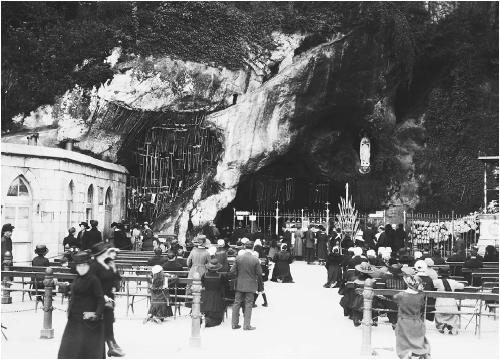
…nsaika gitop, pi nsaika aiak klatwa kopa styuil haws, kakwa
…we woke up and went straight to the church, about
sitkom mail saia. Iawa nsaika nanich kata iaka aias tlus
a half-mile away. There we saw how beautiful
ukuk styuil haws. Mitlait tlun styuil haws; iht kopa kikuli,
that church was. There are three churches: one below,
pi iht kopa kimta, sahali, pi kakwa mokst ukuk styuil haws
and one to the rear, above, and these churches are like twins(?).
kikuli mitlait wiht styuil haws, iaka nim Kript, kakwa pus
Below there is another church called the Crypt,
wawa “ipsut kopa ilihi”. Nsaika klatwa styuil lamis kopa
meaning “hidden in the ground”. We went to pray mass at
ukuk ilip sahali styuil haws, iaka patl kopa tilikom, pi ukuk
that highest church, which was full of people, and those
tilikom drit skukum styuil, drit mitlait klaska tomtom kopa styuil.
people were really praying earnestly; their hearts were really in the prayer.
Mitlait ayu lotil kopa ukuk tlun styuil haws, pi ayu liplit
There are many altars in these three churches, and many priests
mamuk lamis kopa kanawi ukuk lotil. Pus nsaika kopit styuil
saying mass at all of the altars. When we finished praying
lamis, alta nsaika klatwa nanich kah mitlait ukuk Groto
mass, we then went to see where that Grotto was
kah ankati Birnadit nanish Tlus Mari. Iawa wiht nsaika tlap
where once Bernadette saw St Mary. There too we found
drit ayu tilikom klaska styuil. Pi nsaika wiht ashnu, nsaika
quite a lot of people who were praying. And again we knelt, we
styuil kopa ukuk haha Groto: nsaika nanich ayu tilikom
prayed at this holy Grotto; we saw many people
klaska kis ukuk Groto iaka ston, pi klaska mamuk ayu hankirshif
kissing the rock of this Grotto, and putting many handkerchiefs
kopa ukuk ston, mamuk waip iaka, pus klaska sil chako kakwa
on the stone, wiping it so that their pieces of cloth would become as
pus haha kopa ukuk.
if holy from it.
Kimta nsaika nanich ayu tilikom klaska makmak ukuk haha chok
Afterward we saw many people drinking that holy water
ankati Birnadit tlap kopa ilihi kah iaka nanich Tlus Mari. Nsaika
that Bernadette once got from the place where she saw St Mary. We
wiht makmak kopa ukuk chok; kimta nsaika nanich iht haws
drank some of the water too; after that we visited a house
kah sik tilikom klatwa, pi ayu chako tlus; nsaika wiht
where sick people go, and many recover; we also
mamuk kakwa, nsaika klatwa kopa ukuk chok, pi iaka drit
did the same [as they do]; we went into the water, and it was really
kol, pi iht tlus tkop man iaka hilp nsaika kopa ukuk iaka styuil
cold, and a good white man helped us with the prayers he said
pus nsaika mitlait kopa ukuk chok.
while we were in the water.
Kopit sitkom son, nsaika klatwa nanich Lurd tawn, pi iht
In the afternoon, we went to see Lourdes town, and a
skukum haws, <1600> iaka sno, <485> iaka stips pus klatwa
prison 1,600 years old, with 485 steps to
sahali; iawa nsaika nanich kata aias klahawiam ankati
climb; there we saw how miserable the
tilikom pus klaska skukum haws kopa ukuk.
people were long ago when they were jailed in it.
Iawa nsaika wiht klatwa sahali kopa ukuk aias
There we also went up that high
mawntin kah nsaika nanich paia lakrwa tanki son.
mountain where we had seen a burning cross the day before.

Your translation raises questions and comments like:
kakwa is used for “about/perhaps” where I would’ve expected “tlunas”.
The older Chinook Wawa would prefer “hyak nesaika klatawa” whereas Lejeune uses the more European “nsaika aiak klatwa”.
The way to say “means” is “kakwa pus wawa”, “like if say”.
Would “mamuk hankirchif” be “wipe” like “mamuk bloom” is “sweep”.
“kimta” means “afterward”. It could also mean “behind” whereas “kopit” often means “afterward” like “kopit sitkom son”.
LikeLike
Pingback: So 2 chiefs & a priest go to Europe, part 48 | Chinook Jargon:
Acute observations, Sam. Both “kakwa” and “klunas” are used for “about/approximately”. “Kimta” to mean “afterward” is really distinctive of Le Jeune…the Native people’s writing from the Kamloops region lacks this expression.
LikeLike