1895: “Chinook Hymns” in Chinuk Pipa (Part 2: “A New Song for Christmas”)
Calling all readers! Do you know what Christmas carol this Jargon version is based on?
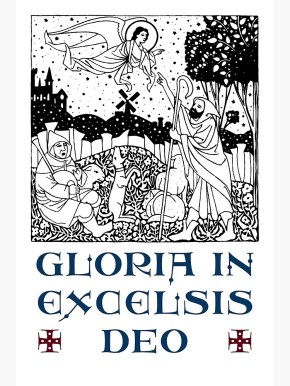
Calling all readers! Do you know what Christmas carol this Jargon version is based on?
Another German talking good Chinuk Wawa in the Pacific Northwest…
A simple question: why is ‘tomorrow’ pronounced tumála in Chinook Jargon?
Rumors got lots of play, it seems, in frontier-era Alaska, but calmer heads questioned them.
Typical for the frontier era, a newspaper had snarky comments about a local prisoner.
Previously here, I’ve shown how southwest Oregon’s ʔewksgiˑsam hemkanks (Klamath language) is an example of another language (Canadian/Métis French) being preserved indirectly.
Oregon “Indian War” veterans were connected with Chinook Jargon, quite rightly, in the popular mind — that’s why this dinner that they gave in the nation’s capital has a Chinook menu.
The voyage of the Captain Cook and the Experiment is documented in the book, “James Strange’s Journal and narrative of the commercial expedition from Bombay to the Northwest coast of America” (Fairfield, WA: Ye Galleon Press, 1982).
James Charles Stuart Strange (1753-1840), godson of Bonnie Prince Charlie, led a fur-trading expedition from India to Vancouver Island in the early era of contact between the Indigenous people there and non-Indigenous newcomers.
An Alaska Native leader is remembered for his love of Chinuk Wawa…