1890, Tulalip, WA: A new Indian Agent thinks his Jargon is superior
As the country moved along from the frontier era into thinking it was modern, a number of tendencies characterized Native relations with the US government.
A couple of paternalistic trends show up in this short clipping.
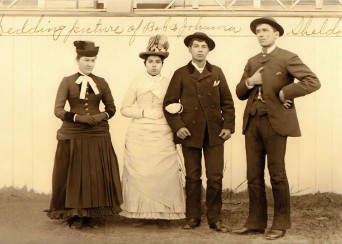
Circa 1890 Tulalip people affected by the attitudes we’re talking about (image credit: Tulalip News)
The Settler-colonizer government was already (to my understanding) violating its treaty obligations, withholding material goods from tribal members who were entitled to them by treaty.
And Chinuk Wawa was still widely used, such that an Indian Agent could brag to other Whites of his fluency being superior to that of Indigenous people.
So now you’re warned. Read on:
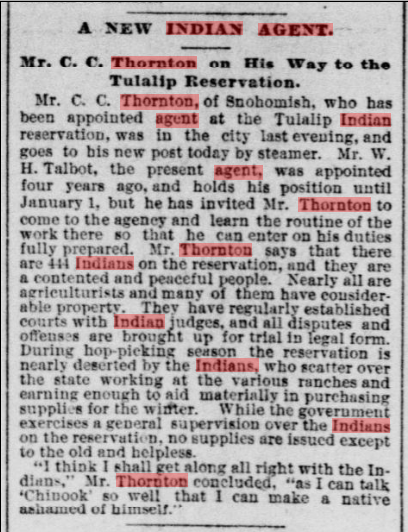
A NEW INDIAN AGENT.
Mr. C. C. Thornton on His Way to the
Tulalip Reservation.Mr. C. C. Thornton, of Snohomish, who has
been appointed agent at the Tulalip Indian
reservation, was in the city last evening, and
goes to bis new post today by steamer. Mr. W.
H. Talbot, the present agent, was appointed
four years ago, and holds his position until
January 1, but he has invited Mr. Thornton to
come to the ageney and learn the routine of the
work there so that he can enter on his duties
fully prepared. Mr. Thornton says that there
are 414 Indians on the reservation, and they are
a contented and peaceful people. Nearly all are
agriculturists and many of them have consider-
able property. They have regularly established
courts with Indian judges, and all disputes and
offenses are brought up for trial in legal form.
During hop-picking season the reservation is
nearly deserted by the Indians, who scatter over
the state working at the various ranches and
earning enough to aid materially in purchasing
supplies for the winter. While the government
exercises a general supervision over the Indians
on the reservation, no supplies are issued except
to the old and helpless.“I think I shall get along all right with the In-
dians,” Mr. Thornton concluded, “as I can talk
‘Chinook’ so well that I can make a native
ashamed of himself.”
— from the Seattle (WA) Post-Intelligencer of December 17, 1890, page 8, column 3
