1910: “Chinook” = Spokane Salish?!
This memory from Spokane, Washington, has to do with the earlier time when it was known as Spokan Falls, Washington Territory.
It’s not a terribly old memory for 1910, perhaps from 30 years previous, but the reporter or the interviewee (E.N. Cory) gets one big detail wrong.
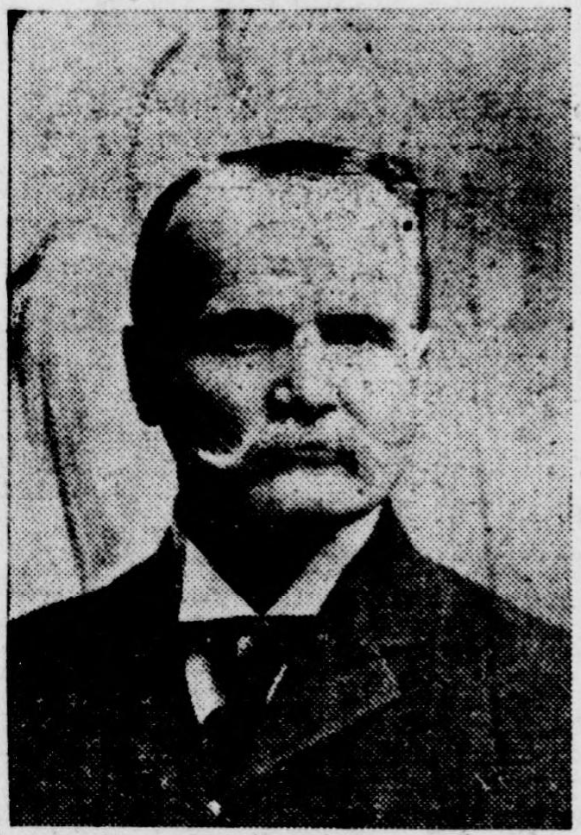
E.N. Cory, from the newspaper article
Here we’re told the Spokane Indian tribe spoke Chinook Jargon with Settlers, a fact we already knew to be true.
But the quoted examples of Jargon are actually Spokane Salish words:
- estes-ch ‘sugar’ contains the root t̓íš ‘sweet’;
- se-men ‘tobacco’ is smén̓xʷ.
Did the Spokanes mix in some of their own Salish when talking Chinuk Wawa in those frontier times?
Their tribes were still numerically the majority of the population, so their communication with Settlers would have been on their own terms, to some notable degree.
We know that frontier times in the Seattle area saw vocabulary from tribal Dxʷləšucid (“Lushootseed Salish”) used in local Chinook Jargon, in a possible parallel to the Spokane situation.
Read and enjoy…
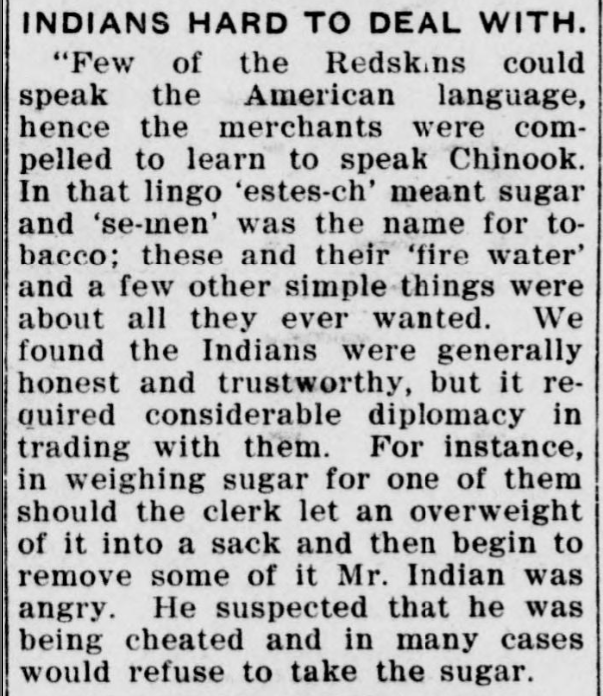
INDIANS HARD TO DEAL WITH.
“Few of the Redskins could
speak the American [English!] language,
hence the merchants were com-
pelled to learn to speak Chinook.
In that lingo ‘estes-ch’ meant sugar
and ‘se-men’ was the name for to-
bacco; these and their ‘fire water’
and a few other simple things were
about all they ever wanted. We
found the Indians were generally
honest and trustworthy, but it re-
quired considerable diplomacy in
trading with them. For instance,
in weighing sugar for one of them
should the clerk let an overweight
of it into a sack and then begin to
remove some of it Mr. Indian was
angry. He suspected that he was
being cheated and in many cases
would refuse to take the sugar.
— from “The Evolution of the Little Village by the River Falls“, in the Spokane (WA) Press of March 13, 1910, page 20, column
