$ “Pʰey” and “peyei” in British Columbia $
In Northern-dialect Chinook Jargon, you can find 2 nearly identical words meaning ‘pay (for)’…
But, one is from English ‘pay’, and one’s from French ‘payer’.
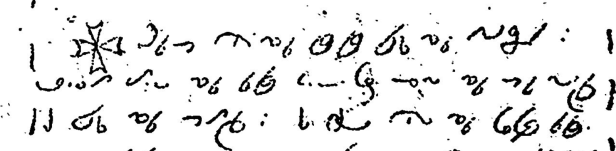
Page [69] of “Kamloops Wawa” No. 50 (30 Oct. 1892) has the following marvelous passage, using both of these words,
- < pi > = pʰéy (which you’ll find in your 2012 Grand Ronde Tribes dictionary, that is, Southern dialect) &
- < piii > = pʰeyey (which is much more characteristic of the Northern dialect):
Ankati ShK iaka wawa kopa iaka lisapotr:
‘Once Jesus told his apostles,’Sahali ilihi iaka kakwa iht man taii iaka tiki iskom
‘ “Heaven is like a man, a chief, who wants to collect’pi kopa iaka tilikom: pi pus chi iaka mamuk kakwa
‘payment from his people; and when they’ve just done so,’klaska mamuk chako iht man iaka o iaka < 10 000 >
‘a man is brought who owes him 10,000’aias chikmin, pi ilo iaka mitlait ikta pus piii ukuk
‘dollars, but has nothing to pay it,’pi iaka taii iaka wawa pus klaska sillim iaka pi
‘and his chief orders him sold with’iaka kluchmin pi kanawi iaka tanas pus kakwa iaka
‘his wife and all his children, so he can’iskom pi, pi ukuk man iaka ashnu pi iaka wawa
‘get together a payment, and that man kneeled and asked him,’Mamuk klahawiam naika pi alki naika piii kanawi kopa
‘ “Have pity on me and eventually I’ll pay it all to’maika. Pi wik iaka tiki kakwa, pi iaka mash iaka
‘you.” But he didn’t like that, and he had his’tilikom kopa skukum haws kansih lili ilo iaka
‘friend thrown in jail for as long as he didn’t’kopit piii…
‘get paid up…’
An important detail emerges from this — it seems “pi” is used as a noun, ‘pay(ment)’, whereas “piii” is a verb ‘to pay (for)’!
Those who have already learned “Chinuk Pipa” writing, the historic & endangered alphabet of Northern Chinuk Wawa that you see above, can see something else going on here…
At the start of the 3rd line in the image, < pi > for pʰéy meaning ‘to pay’ has the vowel symbol written backwards from the normal writing of < pi > for pi meaning ‘and / but’. (Which is the 5th word in the same line.)
This is a rare case where the direction that a “Chinuk Pipa” vowel is written in makes a difference in pronunciation!
I maintain that we can’t predict the sound of a vowel from its taking a right vs. a left turn in this alphabet — in the enormous majority of cases —
But it’s sure useful to see < pi > ‘pay’ looking real distinct from < pi > ‘and / but’!

Quoting Alex Code’s comment at the Chinook Jargon group on Facebook:
“For some evidence outside of the Kamloops Wawa, Jimmy John uses pey a few times in his recording and every time he does it’s a noun. I don’t think he has the word “peyey” so he has to say “patɬæch pey” and “kʰuli pey” to say “to pay” the verb.”
LikeLike